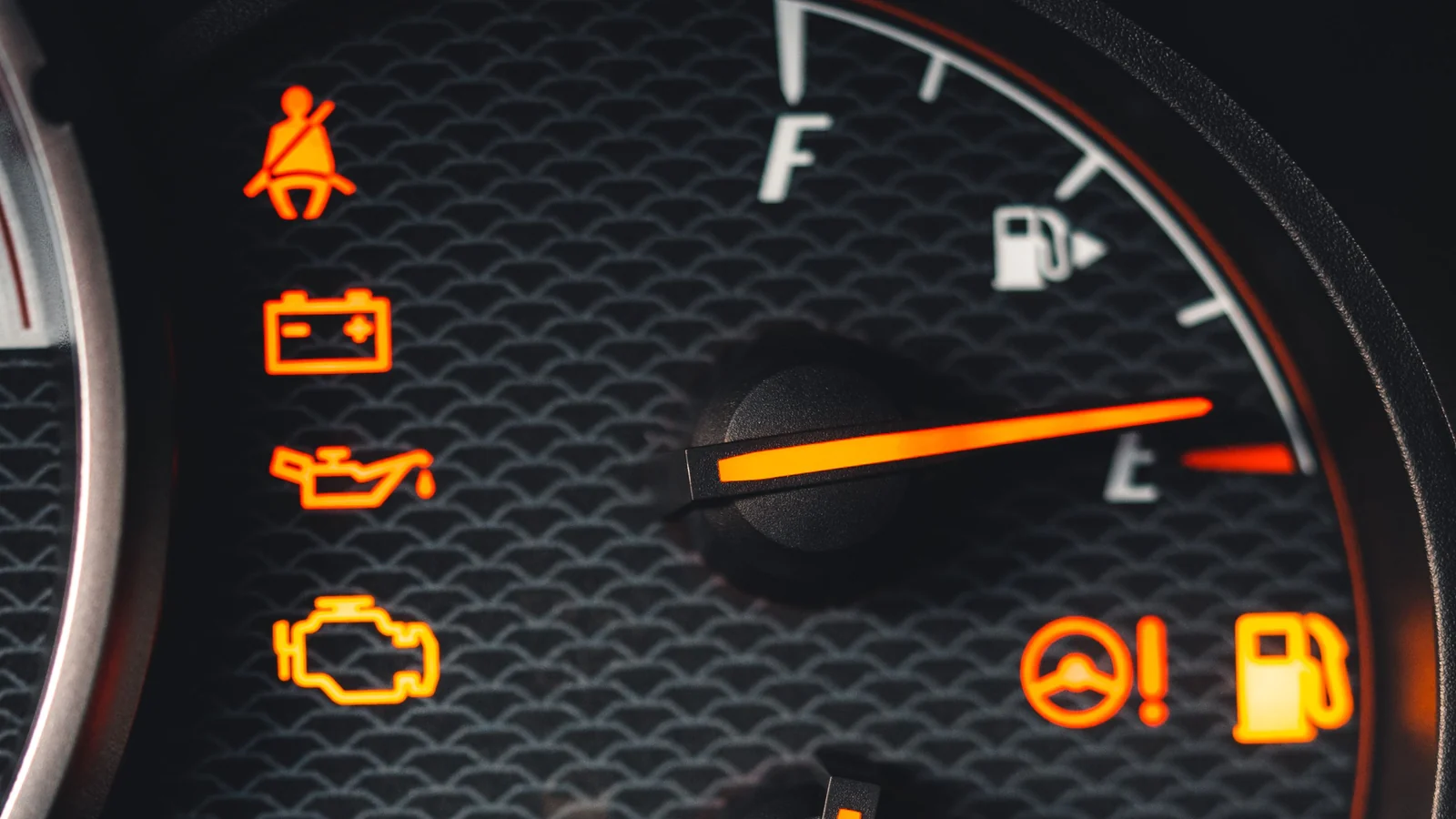

Quick Answer: A check engine light means your car’s computer has detected a problem, from a loose gas cap to an engine misfire. A solid light usually isn’t an emergency, but get the code read within a few days. A flashing light means a severe misfire that can damage the catalytic converter: slow down and get the car serviced as soon as possible.
Key Takeaways
- Solid light: check your gas cap, then get the code read soon.
- Flashing light: a serious misfire. Reduce speed, avoid hard driving and get service promptly.
- Many auto parts stores will read your code for free or lend you a scanner.
- According to CarMD, the average check engine repair cost $554 in 2025, up 33% from the year before.
- Don’t just clear the code and hope. It can hide the problem and cause you to fail an emissions test.
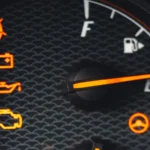
You’re driving along and a small amber engine-shaped light appears on the dashboard. The car feels normal, so it’s tempting to ignore it, and many people do. CarMD’s latest report suggests as many as half of drivers ignore the check engine light. That can turn a cheap fix into an expensive one. The good news is that you don’t need to be a mechanic to figure out how urgent it is. This guide explains what the light means, how to read it, the most common causes and what they typically cost to fix.
Table of Contents
What the Check Engine Light Actually Means
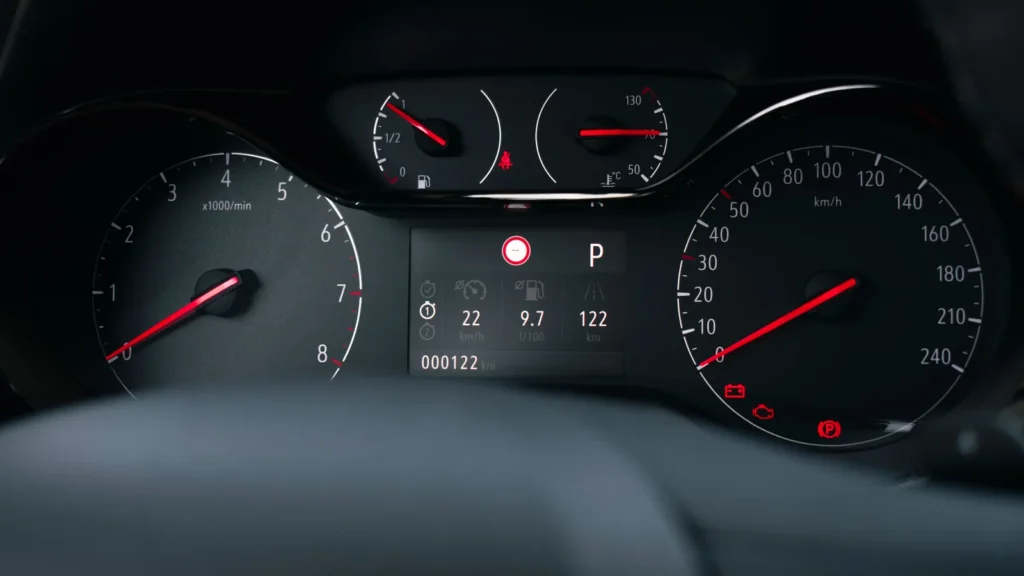
The check engine light, officially called the malfunction indicator lamp, is part of your car’s on-board diagnostic system, known as OBD-II. Edmunds notes that every car and light truck from the 1996 model year onward uses this standardized system.
Your car’s computer constantly monitors the engine, fuel system and emissions equipment. When a reading falls outside its normal range, the computer stores a diagnostic trouble code and turns on the light. According to the U.S. Environmental Protection Agency, the system’s purpose is to make sure emissions equipment keeps working properly for the life of the vehicle.
The light doesn’t tell you what’s wrong, only that something is. The stored code is the real clue.
Solid vs. Flashing: How Urgent Is It?
This is the most important thing to check first.
| What you see | What it usually means | What to do |
|---|---|---|
| Solid light, car drives normally | A problem that needs attention but isn’t an emergency | Check the gas cap, then get the code read within a few days |
| Solid light plus a change in how the car runs (rough idle, hesitation, loss of power) | A problem affecting performance | Get it checked soon and drive gently until then |
| Flashing light | A severe engine misfire | Reduce speed, avoid hard acceleration and get service as soon as possible. Stop and have it towed if it runs badly |
| Light plus red warnings (oil pressure, temperature) | A potentially serious engine problem | Pull over safely and turn off the engine |
Based on guidance from the U.S. EPA and Edmunds.
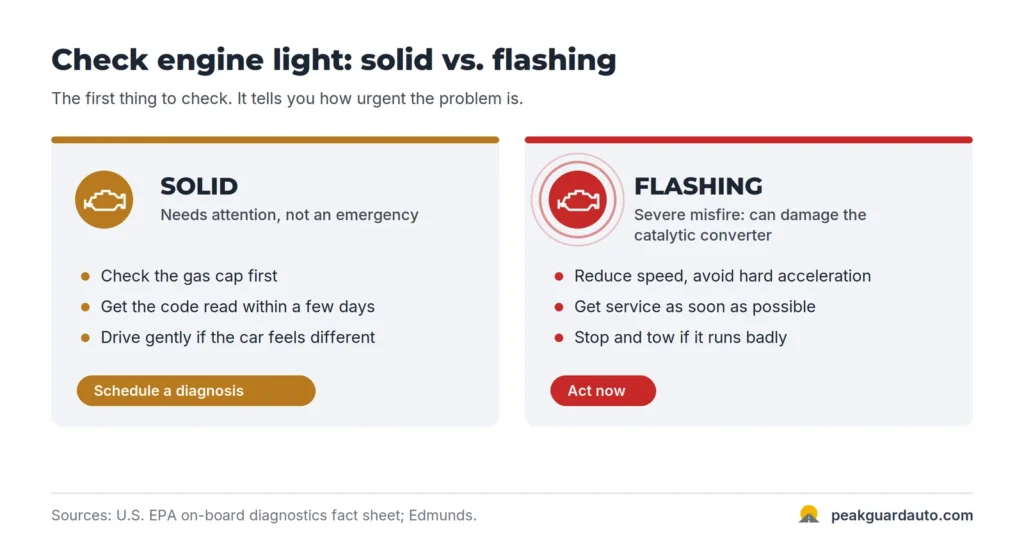
Why a flashing light matters so much: the EPA explains that a flashing light indicates “a rather severe level of engine misfire,” and that driving with a severe misfire “over only a short period of time can seriously damage” emission components, “especially the catalytic converter, which is typically the most expensive to replace.” Unburned fuel from a misfiring cylinder goes into the exhaust and overheats the converter. A $250 ignition coil problem can become a four-figure repair if you keep driving.
What to Do When the Check Engine Light Comes On
Step 1: Notice how the car is running
Is the light solid or flashing? Does the car shake, hesitate, lose power, smell unusual, or show a high temperature reading? Any of these raise the urgency.
Step 2: Check the gas cap
Edmunds recommends this simple first step. A loose, damaged or missing gas cap can trigger the light because the fuel system’s vapor seal isn’t closed. Tighten it until it clicks, then drive normally for a few days. If the cap was the cause, the light usually turns off on its own after several drive cycles. It won’t go out the moment you tighten it.
Step 3: Get the code read
You don’t need a dealer for this. Edmunds notes that many auto parts stores lend code readers, and many will scan your car in the parking lot for free. You can also buy a basic OBD-II scanner online for a modest price. It plugs into a port under the dashboard, usually near the steering column.
Codes look like P0420 or P0301. The letter shows the system (P means powertrain), and the numbers point to the specific problem. For example, codes in the P0300 range usually relate to engine misfires.
Step 4: Don’t treat the code as the final answer
A code tells you where to start looking, not always what to replace. As Edmunds points out, a code that suggests a bad sensor can actually be caused by damaged wiring. Replacing parts based on the code alone is a common way to spend money without fixing anything. For anything beyond the gas cap, let a mechanic confirm the cause.
Step 5: Don’t just clear the code
Cheap scanners let you erase the code and turn off the light. That’s useful after a confirmed repair, but clearing it without fixing the problem only hides it. It also resets the car’s readiness monitors, the self-tests an emissions inspection checks. The Ohio EPA notes that vehicles are rejected from testing when these checks aren’t completed, and recommends two to three days of mixed city and highway driving after a repair before testing.
The 10 Most Common Causes and What They Cost
CarMD’s 2026 Vehicle Health Index, based on 2025 service records from more than 39 million vehicles, found these were the most common check engine repairs:
| Rank | Repair | Average cost | What it does |
|---|---|---|---|
| 1 | Catalytic converter | $1,511 | Cleans harmful exhaust gases |
| 2 | Oxygen (O2) sensor | $287 | Measures oxygen in the exhaust to adjust the fuel mix |
| 3 | Ignition coil and spark plugs | $480 | Creates the spark that ignites fuel |
| 4 | Mass air flow sensor | $346 | Measures air entering the engine |
| 5 | Ignition coil | $256 | Powers the spark plug for a cylinder |
| 6 | EVAP purge control valve | $172 | Part of the system that captures fuel vapors |
| 7 | Fuel injectors | $572 | Spray fuel into the engine |
| 8 | ABS wheel speed sensor | $314 | Reports wheel speed to the braking system |
| 9 | Thermostat | $324 | Regulates engine temperature |
| 10 | Spark plugs | $299 | Ignite the fuel in each cylinder |
Source: CarMD 2026 Vehicle Health Index (2025 data), as reported by Forbes. Averages include parts and labor; your cost varies by vehicle and shop.

Two patterns stand out. First, several of these (coils, spark plugs, O2 sensors) are relatively affordable when caught early. Second, the most expensive item, the catalytic converter, is often the result of ignoring those smaller problems, especially misfires. CarMD also found the average repair cost rose 33% to $554, with labor costs up 51%, so delaying repairs is getting more expensive.
Notably, a loose gas cap didn’t make CarMD’s top 10 this year, but it’s still the first thing worth checking because it’s free.
Is It Safe to Drive With the Check Engine Light On?
It depends on the situation:
- Solid light, car running normally: usually safe to drive for a short time while you arrange a diagnosis. Edmunds says a minor issue like a loose gas cap should be safe to drive with. Don’t wait weeks.
- Solid light, car running poorly: limit driving and get it checked soon.
- Flashing light: drive only as far as necessary, at reduced speed, and get service as soon as possible. If the car shakes badly or loses power, stop and have it towed.
There’s also a practical cost: in states with emissions testing, the inspection checks that the light is off and that readiness monitors are complete, so an unresolved problem can mean a failed test.
When to See a Mechanic
Book an appointment promptly if:
- The light is flashing
- The car runs rough, stalls, hesitates or loses power
- You notice a burning, fuel or rotten-egg smell
- The temperature gauge is high, or other red warning lights are on
- The light comes back after you’ve fixed the gas cap or cleared a code
Bring the code with you. It saves diagnosis time. If your car is still under its factory warranty, check with your dealer first, since the repair may be covered. If you’re wondering how repair costs fit into your overall budget, our breakdown of the real cost of owning a car puts them in context.
Frequently Asked Questions
What does a flashing check engine light mean?
A flashing light usually means a severe engine misfire. According to the EPA, driving with a severe misfire for even a short time can seriously damage the catalytic converter, so reduce speed and get the car serviced as soon as possible.
Can a loose gas cap cause the check engine light?
Yes. A loose, cracked or missing gas cap can break the fuel system’s vapor seal and trigger the light. Tighten it until it clicks and drive for a few days; if that was the cause, the light should turn off on its own.
How much does it cost to fix a check engine light?
It depends on the cause. CarMD’s 2026 report found the average check engine repair cost $554, ranging from about $172 for an EVAP purge valve to $1,511 for a catalytic converter.
Where can I get my check engine code read for free?
Many auto parts stores will scan your car’s code for free or lend you a code reader. You can also buy an inexpensive OBD-II scanner to keep in your glove box.
Will the check engine light turn off by itself?
Sometimes. If the problem was temporary or fixed (like tightening the gas cap), the light often turns off after several drive cycles. If it stays on, the fault is still present and needs attention.
Can I pass an emissions test with the check engine light on?
Usually not. Emissions inspections that use your car’s OBD system check that the light is off and that readiness monitors are complete. Fix the problem first, then drive for a few days before testing.
Does disconnecting the battery reset the check engine light?
It can turn the light off temporarily, but it also erases diagnostic data and resets the readiness monitors. The problem isn’t fixed, the light will return if the fault is still there, and your car may not pass inspection until the monitors are ready again.
Conclusion
The check engine light is your car asking for attention, not necessarily a disaster. Check whether it’s solid or flashing, tighten the gas cap, get the code read and let a mechanic confirm the cause before replacing parts. Acting early usually keeps the repair small, while ignoring a misfire can turn a few hundred dollars into a catalytic converter bill. Keep a basic code reader in your glove box and you’ll never have to guess.
PeakGuard Auto provides general informational guidance only. Diagnostic codes and repair needs vary by make, model and year. Always consult your owner’s manual and a qualified mechanic before making repairs.
Sources
- CarMD 2026 Vehicle Health Index, via Forbes (April 2026): top 10 check engine repairs and average costs. https://www.forbes.com/sites/jimgorzelany/2026/04/22/study-reveals-the-most-common-check-engine-issues-and-repair-costs/
- Edmunds (May 2026): what the check engine light means, solid vs. flashing, gas cap and code reading. https://www.edmunds.com/car-maintenance/what-your-check-engine-light-is-telling-you.html
- U.S. Environmental Protection Agency: On-board diagnostics fact sheet, flashing light and catalytic converter damage. https://nepis.epa.gov/Exe/ZyPURL.cgi?Dockey=P1009Z15.TXT
- Ohio EPA E-Check: OBD emissions testing and readiness monitors. https://epa.ohio.gov/divisions-and-offices/air-pollution-control/e-check/06-obd